

Introduction
Drone photography has transformed the way we capture the world, offering unique perspectives that were once only possible through expensive aerial equipment. With the right knowledge, drones can be powerful tools for both amateur and professional photographers, enabling them to explore creative angles, capture vast landscapes, and document dynamic scenes from above. Mastering drone photography requires understanding the technology, refining compositional skills, and leveraging environmental factors to create visually compelling imagery.
Choosing the Right Drone and Equipment
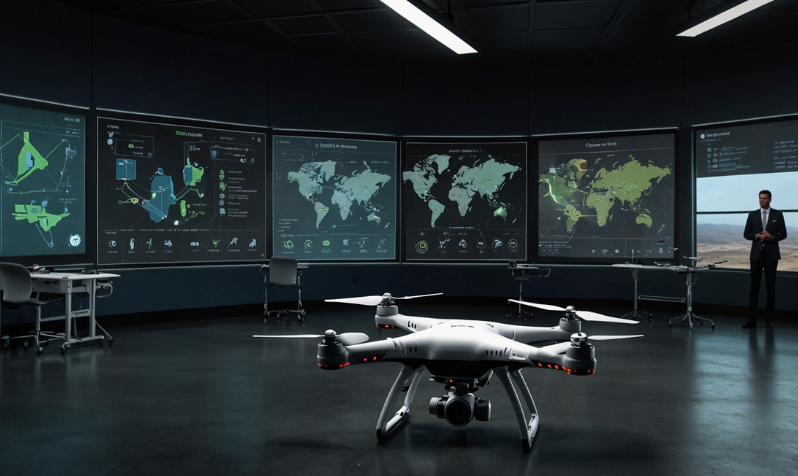
The first step in mastering drone photography is selecting the right equipment. Modern drones vary widely in features, including camera quality, stabilization, flight time, and GPS accuracy. For beginners, compact drones with user-friendly controls and automated flight modes provide an excellent starting point. Professional photographers often opt for drones with high-resolution sensors, adjustable aperture lenses, and advanced gimbal stabilization systems. Accessories such as ND filters, extra batteries, and propeller guards also enhance the shooting experience, allowing for more creative freedom and consistent results.
Understanding Aerial Perspective
Perspective is one of the defining elements of drone photography. From above, familiar landscapes and urban areas take on entirely new forms, revealing geometric patterns, textures, and spatial relationships that are invisible from the ground. Lower altitude shots emphasize detail and intimacy, while higher elevations provide a sense of scale and context. Understanding how altitude and camera angles affect perspective is critical for crafting images that are both aesthetically pleasing and narratively meaningful.
Composition Techniques for Drone Photography
Effective composition transforms drone photos into compelling works of art. Techniques such as the rule of thirds, leading lines, symmetry, and layering guide the viewer’s eye and create balance within the frame. Drones allow photographers to experiment with unconventional angles, such as directly overhead shots or dynamic diagonals. Identifying natural patterns in landscapes, architectural structures, or water formations can further enhance visual interest. Including foreground, midground, and background elements adds depth and emphasizes the scale of the scene.
Leveraging Light and Timing
Light is a fundamental aspect of any photography, and drone photography is no exception. The quality, direction, and intensity of light shape textures, colors, and shadows from above. Golden hour—shortly after sunrise and before sunset—provides warm, soft light and long shadows, perfect for highlighting landscape features. Midday light can enhance clarity and contrast, while overcast conditions soften shadows and create a more subdued atmosphere. Understanding how to work with natural light enables drone photographers to capture mood, drama, and vibrancy in their images.
Mastering Flight and Stability
Controlling the drone smoothly is essential for achieving sharp, professional images. Sudden movements or unstable flight can result in blurred or misaligned shots. Pilots must become comfortable with manual controls, practice precise maneuvers, and utilize stabilization features, such as gimbals or software-assisted stabilization. For videography, slow, deliberate movements like tracking shots, reveals, and orbits create cinematic footage that emphasizes motion and spatial relationships.
Post-Processing and Enhancing Your Images
Post-processing is an important step in perfecting drone photography. Shooting in RAW format allows greater flexibility in adjusting exposure, contrast, saturation, and white balance without losing quality. Editing software can help enhance colors, highlight textures, correct perspective distortions, and remove unwanted elements. Thoughtful post-processing ensures that drone photos maintain a natural look while emphasizing key elements and storytelling aspects of the scene.
Conclusion
Mastering the art of drone photography requires a combination of technical skill, creativity, and practice. Understanding equipment, perspective, composition, lighting, flight control, and post-processing empowers photographers to capture breathtaking images from above. Drones offer a versatile platform for visual storytelling, allowing creators to explore new angles, document dynamic scenes, and reveal the world in ways that inspire and captivate viewers. With dedication and continuous learning, anyone can elevate their drone photography to a professional and artistic level.