


Introduction: The Art of Photographing the Sky
Aerial photography offers a unique opportunity to capture the beauty and drama of clouds from perspectives impossible at ground level. Capturing Clouds focuses on techniques, tips, and creative approaches to help drone photographers and videographers create stunning images of the sky. Clouds are dynamic, ever-changing, and capable of transforming landscapes with their light, texture, and form. Mastering cloud photography elevates aerial imagery, adding depth, mood, and visual interest to your work.
Understanding Cloud Types and Behavior
Different types of clouds offer distinct visual possibilities. Cumulus clouds create bold, puffy textures ideal for dramatic contrasts. Stratus clouds provide a softer, layered look, while cirrus clouds add delicate, wispy streaks to the sky. Understanding cloud behavior, including formation, movement, and lighting conditions, allows photographers to anticipate the best moments for capturing them. Observing the sky over time helps in predicting when clouds will create the most striking compositions.
Planning Your Flight
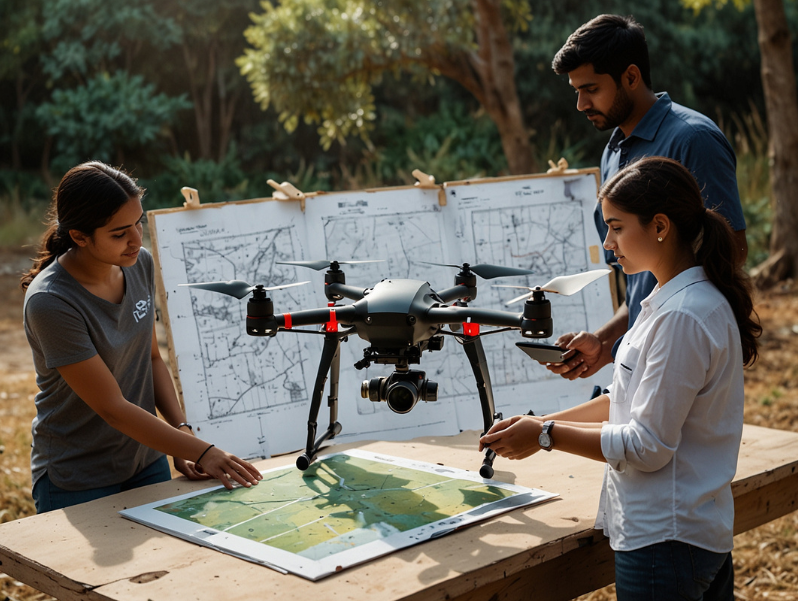
Preparation is crucial for successful cloud photography. Check weather forecasts, wind conditions, and cloud coverage before flying. Planning the time of day is also essential — early morning and late afternoon offer golden light that adds warmth and dimension to clouds, while midday light emphasizes clarity and contrast. Mapping out flight paths and identifying safe takeoff and landing zones ensures a smooth and controlled flight experience.
Choosing the Right Altitude and Perspective
Perspective is key to capturing clouds effectively. High-altitude flights allow you to capture vast, sweeping formations that stretch across the horizon. Low-altitude approaches can emphasize the interaction between clouds and the landscape below, creating a sense of scale and depth. Experimenting with different altitudes and angles provides a variety of compositions, helping you discover new ways to portray the sky’s ever-changing beauty.
Camera Settings for Optimal Results
Technical settings play a crucial role in cloud photography. Use appropriate shutter speeds to capture movement without blurring details. Adjust ISO and aperture to balance exposure and preserve texture and contrast. High-resolution cameras allow you to retain intricate details of clouds, while gimbal stabilization ensures smooth, sharp footage. Experimenting with settings helps you find the perfect balance for different lighting conditions and cloud formations.
Composition and Framing
Composition enhances the visual impact of cloud photography. Use leading lines, such as rivers, roads, or mountain ridges, to draw attention toward cloud formations. Incorporate layers, including foreground and background elements, to create depth. Framing clouds against landscapes, buildings, or bodies of water can provide context and highlight scale. Thoughtful composition transforms a simple sky shot into a captivating visual story.
Harnessing Light and Mood
Lighting dramatically affects how clouds appear in aerial imagery. Golden hour light adds warmth, shadow, and dimensionality, while dramatic storm clouds can create a moody, cinematic effect. Adjusting exposure to capture highlights and shadows ensures that textures and patterns are emphasized. Experimenting with light and contrast allows photographers to evoke emotion and tell a more compelling story through the sky.
Post-Processing Techniques
Post-processing is essential for enhancing cloud photography. Adjusting contrast, color balance, and sharpness can bring out details and emphasize textures. Cropping and framing further refine the composition, while subtle adjustments to highlights and shadows create depth and mood. Thoughtful post-processing allows you to transform raw aerial captures into visually striking works of art.
Conclusion: Elevate Your Sky Photography
Capturing Clouds: Tips for Stunning Aerial Shots demonstrates that aerial photography is as much about observing and interpreting the sky as it is about technical skill. By understanding cloud types, planning flights, experimenting with perspectives, and mastering lighting and composition, photographers can create captivating images that highlight the dynamic beauty of clouds. Every flight offers a chance to capture the sky in a fresh, inspiring way, turning ordinary clouds into extraordinary aerial art.