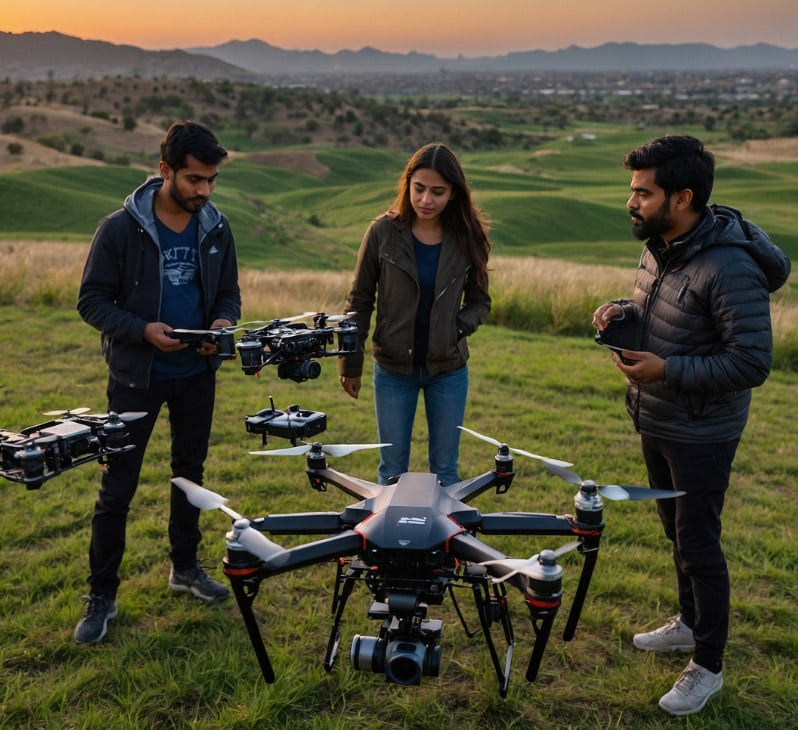
Introduction: The Art of Aerial Videography
Aerial videography has revolutionized the way we capture and experience the world. With drones, filmmakers, photographers, and content creators can reach heights and perspectives that were once impossible. Zoom Zenith represents the pursuit of excellence in this dynamic field — pushing boundaries, exploring new angles, and creating breathtaking visuals that captivate audiences. Reaching new heights in aerial videography requires not only advanced technology but also creativity, skill, and careful planning.
Mastering Drone Flight for Cinematic Shots
The foundation of stunning aerial videography begins with mastery of your drone. Smooth, controlled flight is essential to capturing cinematic sequences. Understanding how to maneuver with precision — adjusting speed, altitude, and orientation — allows for dynamic shots such as sweeping landscapes, dramatic reveals, or intricate follow-throughs. Practicing flight patterns, learning advanced modes, and anticipating environmental challenges like wind or obstacles ensures that each shot is both visually striking and technically precise.
Exploring Perspectives and Angles
Aerial videography’s power lies in perspective. Shots from directly above reveal patterns and symmetry invisible from the ground, while low-altitude passes create immersive, intimate experiences. Tilted angles, diagonal compositions, and varying heights add depth and motion to footage. Experimenting with these perspectives lets creators craft videos that feel fresh and engaging. By continuously exploring angles, you can transform ordinary scenes into extraordinary visuals that draw viewers into the story.
Leveraging Technology for Creativity
Modern drones offer sophisticated tools that expand creative potential. High-resolution cameras, stabilized gimbals, intelligent flight modes, and long-range control systems allow pilots to focus on artistic vision rather than technical limitations. Automated features such as waypoint navigation, orbiting, and subject tracking make complex maneuvers achievable while maintaining smooth, cinematic footage. Advances in battery life and sensor accuracy also give videographers the freedom to capture longer sequences with fewer interruptions, increasing creative possibilities.
The Role of Lighting and Timing
Lighting dramatically influences the quality and mood of aerial videography. Golden hour provides warm, soft light ideal for cinematic shots, while blue hour offers moody, atmospheric tones. Overcast conditions can reduce harsh shadows, revealing details in landscapes and textures. Timing your flights to capture optimal lighting ensures that your videos convey emotion and enhance storytelling. Combining thoughtful timing with motion and perspective creates footage that is both beautiful and meaningful.
Composing with Purpose
Composition is as crucial in aerial videography as in ground-level filmmaking. Leading lines, symmetry, and framing guide the viewer’s eye and create visual interest. Including reference points such as people, vehicles, or structures helps convey scale. By consciously composing each shot, videographers can elevate storytelling, making sequences more compelling and visually cohesive. Thoughtful composition ensures that every frame serves the narrative and contributes to the overall cinematic experience.
Safety and Responsible Flying
Reaching new heights in aerial videography must always include safety and responsibility. Respecting flight regulations, avoiding restricted airspace, maintaining safe distances from people and property, and checking weather conditions protect both the pilot and the environment. Responsible flying allows creativity to flourish while ensuring that aerial videography remains sustainable and secure.
Conclusion: Elevate Your Storytelling
Zoom Zenith: Reaching New Heights in Aerial Videography is about more than capturing footage from above — it’s about exploring, experimenting, and elevating visual storytelling. By mastering flight techniques, leveraging technology, experimenting with perspective, and understanding light and composition, videographers can produce footage that inspires, engages, and captivates. The sky is no longer a limit; it is a platform for imagination, innovation, and storytelling that reaches new heights.